

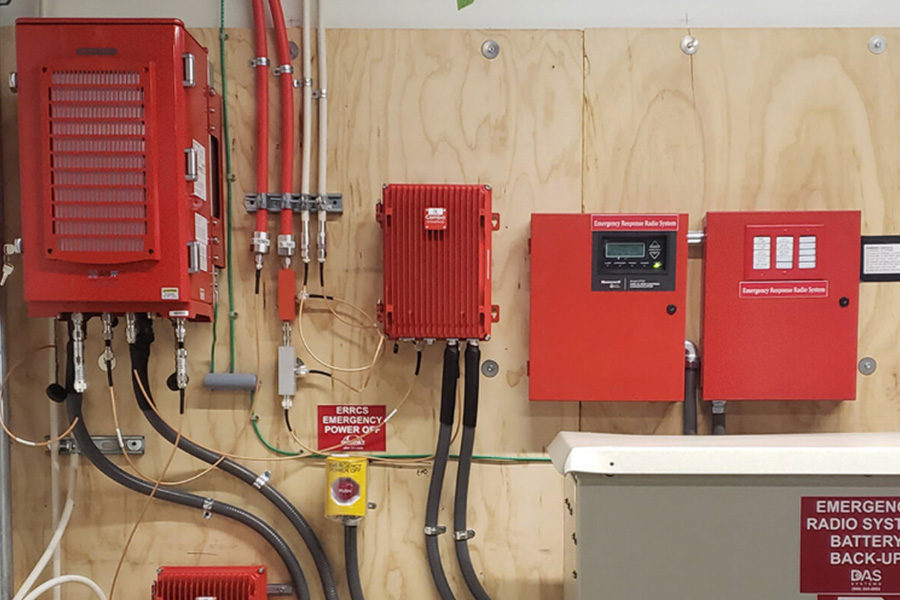
Enhancing Emergency Communication with BDA Systems
A BDA Fire Alarm System is a safety system that helps improve radio communication inside buildings during emergencies. It is very important for firefighters, police, and medical teams because they need clear communication while responding to emergencies. In many modern buildings, radio signals become weak or even disappear because of thick walls, metal structures, and energy-saving glass. When this happens, communication can fail, which can delay rescue and put lives at risk.
A BDA system solves this problem by improving radio signals inside the building. It makes sure that emergency responders can talk to each other clearly in every part of the structure, including basements, stairwells, and upper floors.
What a BDA System Is and How It Works
A Bi-Directional Amplifier (BDA) system is a device that improves weak radio signals and spreads them throughout a building. It is designed to help emergency communication work without interruption, even in areas where signals are normally weak.
How the System Works
A BDA system works in a simple way:
1. It picks up a strong radio signal from outside the building using an antenna placed on the roof or outside wall.
2. The system then boosts or strengthens that signal using a main unit called the amplifier.
3. After that, the stronger signal is sent inside the building through indoor antennas.
4. This allows emergency responders to communicate clearly no matter where they are inside the building.
The system works in both directions. This means it can send and receive signals, which helps communication stay smooth between people inside the building and those outside.
Main Parts of a BDA System
A BDA system has several important parts that work together:
- Outside Antenna (Donor Antenna) – This collects radio signals from outside the building.
- Amplifier Unit (BDA Unit) – This strengthens the weak signal so it becomes clear and usable.
- Indoor Antennas – These spread the signal throughout the building so every area has coverage.
- Battery Backup System – This keeps the system working during power outages, which often happen during emergencies.
Why Buildings Need a BDA Fire Alarm System and Its Benefits
A BDA Fire Alarm System is required in many buildings because safety rules now focus on making sure emergency communication always works. Without this system, responders may lose signal in certain areas, making it harder to rescue people quickly and safely.
Where BDA Systems Are Required
BDA systems are usually required in large or complex buildings such as:
- Hospitals and clinics
- High-rise office buildings
- Schools and universities
- Hotels and resorts
- Parking garages and underground areas
- Warehouses and factories
These buildings often have weak signal areas because of their size and structure. Because of this, they must follow fire safety rules that require strong radio coverage for emergency teams.
Benefits of a BDA System
Installing a BDA system provides many important benefits:
- Clear Communication for First Responders – Firefighters and rescue teams can talk clearly in all parts of the building.
- Faster Emergency Response – Clear communication helps teams act quickly and save more lives.
- Better Safety for Everyone – It reduces confusion during emergencies and helps guide evacuation.
- Full Building Coverage – Even hard-to-reach areas like basements and stairwells get proper signal.
- Works During Power Failure – The backup battery keeps the system running even when electricity is down.
Importance of Proper Installation
A BDA system must be installed correctly to work well. Professionals check the building first to see where the signal is weak. Then they design and install the system based on the building’s size and layout. Regular testing and maintenance are also needed to make sure the system continues to work properly over time.
Conclusion
A BDA Fire Alarm System is a very important part of modern building safety. It helps make sure that emergency responders can always communicate clearly, even in difficult building conditions. By improving signal strength and covering all areas of a structure, it helps save time during emergencies and protects lives.
Installing a BDA system is not just about following rules—it is about making buildings safer for everyone inside.