

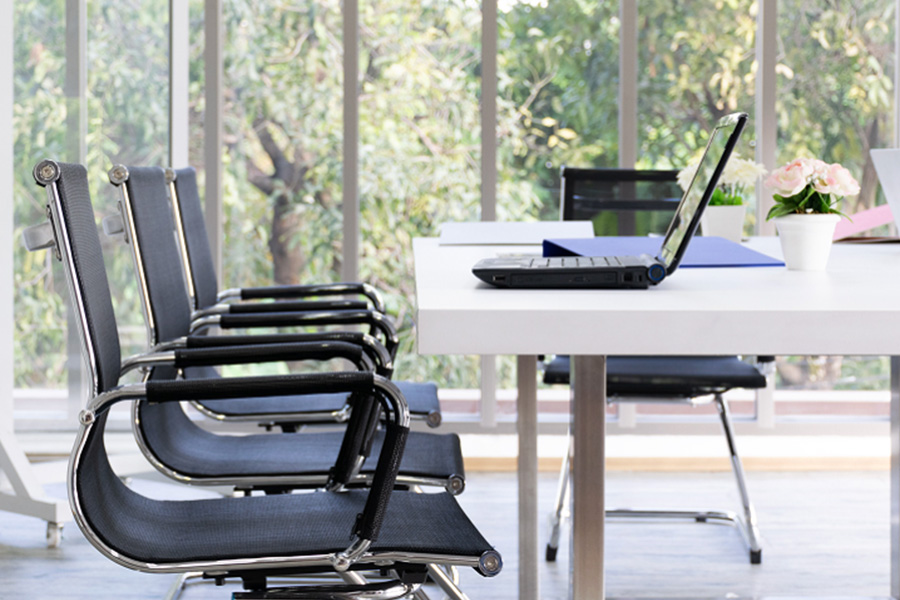
What Makes Ergonomics Essential in Interior Design for Office Spaces
Key Takeaways
- Ergonomics supports comfort, focus, and long-term well-being in office environments
- Interior design for office spaces now prioritises how people sit, move, and work daily
- Thoughtful layouts reduce physical strain and improve productivity
- Ergonomic design enhances collaboration, not just individual workstations
- Commercial interior design in Singapore increasingly blends ergonomics with modern aesthetics
Introduction
Walk into any well-run office in Singapore, and there is a certain feeling. People look settled. Desks feel intuitive. Chairs invite you to sit properly, not slouch through the afternoon. This sense of ease rarely happens by accident. It is often the result of thoughtful ergonomics woven into interior design for office environments.
As work patterns shift and long hours at desks remain the norm, ergonomics has moved from a nice-to-have feature to a core requirement. In commercial interior design in Singapore, it now plays a quiet but decisive role in how offices function day after day.
It Starts With How People Actually Work
Office design used to focus heavily on appearance. Sleek finishes, glossy floors, dramatic lighting. These elements still matter, but they no longer lead the conversation. The focus has shifted to how people move, sit, reach, and focus throughout the day.
Interior design for office spaces now considers posture, eye level, arm reach, and even how often someone stands up to speak with a colleague. A workstation that looks tidy but strains the neck or wrists will eventually work against productivity. Ergonomics steps in to prevent that slow burn of discomfort that many workers quietly accept as normal.
Comfort Isn’t About Being Soft
There is a common assumption that ergonomic design is all about plush chairs and cushioned surfaces. In reality, it is closer to balance. A good ergonomic chair supports the body without swallowing it. A well-planned desk height keeps shoulders relaxed rather than hunched.
In commercial interior design in Singapore, designers often deal with compact office footprints. Ergonomics helps make smaller spaces feel workable instead of cramped. When furniture fits the body properly, people need less room to adjust, stretch, or shift awkwardly.
The Productivity Link Is Real, Not Theoretical
It might sound like a corporate talking point, but comfort does affect output. When workers are distracted by stiff backs or sore wrists, focus drifts. Small discomforts stack up quietly, then show up as fatigue, irritability, or slower work.
Interior design for office layouts that prioritise ergonomics often sees fewer complaints about aches and fewer informal workarounds like stacking files to raise screens. Everything feels where it should be. That sense of order supports concentration, especially during long afternoons or peak project periods.
Ergonomics Supports Collaboration Too
Ergonomics is not limited to desks and chairs. It extends to meeting rooms, shared spaces, and informal discussion areas. A poorly designed meeting table that forces people to lean forward strains attention just as much as a bad chair.
In commercial interior design in Singapore, collaborative zones are often designed with varied seating heights, flexible furniture, and clear sightlines. These details help meetings feel shorter, sharper, and less draining. When people are physically at ease, conversations tend to flow better.
Health Concerns Are No Longer Abstract
Back pain, repetitive strain injuries, and eye fatigue are no longer rare topics in offices. They come up in HR conversations, medical leave discussions, and casual pantry chats. Ergonomic interior design for office environments helps reduce these risks before they become patterns.
This is especially relevant in Singapore’s work culture, where desk-based roles are common and working hours can stretch. Design choices that support neutral posture and regular movement are a quiet form of care built into the space itself.
Ergonomics and Aesthetics Can Coexist
There was a time when ergonomic furniture looked purely functional, almost clinical. That line has blurred. Today’s ergonomic solutions blend neatly with modern office aesthetics. Adjustable desks come with clean finishes. Task chairs look polished, not bulky.
Commercial interior design in Singapore increasingly shows that visual appeal and physical support do not compete. They reinforce each other. A well-designed office feels calm, capable, and considered. Ergonomics is part of that mood, even when it is not immediately visible.
A Long-Term View That Pays Off
Ergonomic design often costs a little more upfront. Better chairs, adjustable systems, smarter layouts. Yet over time, these investments tend to justify themselves. Reduced discomfort leads to fewer disruptions. Spaces age better because they remain usable even as teams grow or change.
Interior design for office planning that considers ergonomics from the start avoids costly retrofits later. It is easier to design well than to correct poor decisions once people have settled in.
Conclusion
Ergonomics is no longer a side note in office design. It shapes how people feel, focus, and function every single day. In commercial interior design in Singapore, it has become a foundation rather than a feature, quietly supporting both wellbeing and work quality. For businesses planning new spaces or refreshing existing ones, working with professionals who understand ergonomic principles can make a lasting difference. Reach out to Hoft Interior to explore solutions that truly support your workplace.