

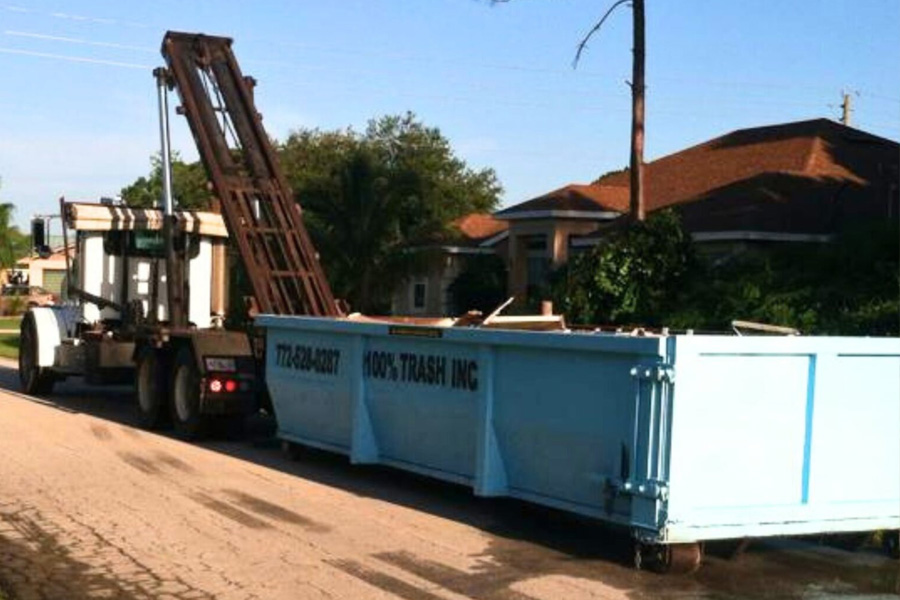
Getting Rid of the Junk: What Fort Pierce Residents Need to Know About Dumpster Rental
Fort Pierce has a character that sets it apart from the newer, more manicured cities further down the Treasure Coast. It is older, more established, and in many neighbourhoods, that age shows in the bones of the housing stock — in the original fixtures, the layered renovations, and the accumulated contents of homes that have been lived in hard for fifty or sixty years. That history makes Fort Pierce an interesting place to work and live, but it also means that when residents decide to clear out, renovate, or rebuild, there is often a lot more material to deal with than they initially anticipate.
Whether you are tackling a full estate clearance, pulling up old flooring, replacing a roof, or finally attacking that garage that has not been fully opened since 2009, the question of where everything goes is the one that tends to catch people off guard. Here is what experienced project managers, contractors, and homeowners have learned about making waste removal work in this specific corner of Florida.
Tip 1: Fort Pierce’s Older Housing Stock Changes Your Debris Profile
This is specific to the area and worth saying clearly. Homes built in the 1950s, 60s, and 70s — and there are a lot of them in Fort Pierce — were constructed with materials that are not always straightforward to dispose of. Textured ceilings may contain materials that require testing before removal. Older floor tiles can be similarly complicated. Pipe insulation and certain wall materials from that era are worth identifying before you start swinging a hammer. A reputable waste removal provider will flag what they can and cannot accept; but the responsibility for knowing what is in your walls starts with you. If the home is old enough to raise questions, spend a little time with a professional inspector before you generate the debris.
Tip 2: Know the Difference Between City and County Rules
Fort Pierce sits within St. Lucie County, but the city itself has its own ordinances around equipment placement on public property. If you need a container on the street rather than on private land, the permit requirements, fees, and approval timelines differ depending on whether you are in the city limits or an unincorporated part of the county. This is not a difficult thing to navigate, but it is easy to overlook until the driver is asking where to drop the bin and you have not sorted the paperwork. Call the city’s public works department or check their website before you book, not after.
Tip 3: The Size You Think You Need Is Probably One Too Small
This is the single most repeated piece of advice from anyone who has done more than one project involving a rented container. The 10-yard bin looks large when it is empty. It looks considerably smaller on day three when it is half full and you still have an entire room to clear. For most residential cleanouts and mid-sized renovation jobs, a 15 or 20-yard container is the more honest choice. The price difference rarely justifies the frustration of running out of room — and the cost of a second delivery and pickup almost always exceeds the upgrade cost on the front end.
Tip 4: Weight Limits Matter More Than Volume for Certain Projects
If your project involves concrete, ceramic tiles, roofing materials, or soil, the limiting factor is not how much fits in the container — it is how much the container can legally weigh when loaded. Dense materials hit weight limits fast, sometimes before the bin is even visually half full. Ask your provider for the specific weight allowance included in your rental rate and what the per-ton overage charge is. For dumpster rental Fort Pierce projects involving heavy demolition material, knowing these numbers upfront protects you from a bill that looks nothing like the quote.
Tip 5: Time Your Rental Around How You Actually Work
Rental periods are typically measured from delivery, not from when you start loading in earnest. If materials are arriving in stages, if your crew works part-time, or if the project has a slow start for any reason, the rental clock is still running. Think carefully about when in the project timeline the container is actually most useful to you and book accordingly. A container sitting full in your driveway for two days waiting for pickup is a minor inconvenience. A container that runs out of rental time before the project is finished is a more expensive problem.
Tip 6: Positioning the Container Is a Decision, Not an Afterthought
Where a dumpster lands determines how efficient your loading process is. Too far from the work area and every load becomes a carry. On soft ground without protection and you risk damage to the surface beneath. In front of a neighbour’s property without any communication and you create unnecessary friction. Think about the drop location before the truck arrives — specifically, where the walk-in door needs to face, what surface the container will sit on, and whether plywood is needed to protect a driveway or lawn. Repositioning a loaded container is complicated and sometimes impossible without emptying it first.
Tip 7: Prohibited Items Are Non-Negotiable — Plan Around Them Early
Household hazardous waste, liquid chemicals, tyres, certain appliances containing refrigerants, and wet paint are among the materials that standard roll-off containers cannot legally accept. The issue is not just policy — it is liability and landfill compliance. Discovering mid-project that a significant portion of what you planned to dispose of falls into a prohibited category is a real problem if you have not prepared an alternative. St. Lucie County has household hazardous waste collection options available; identify what you are dealing with early and route those materials appropriately before you start loading everything else.
Tip 8: Storm Season Is Not the Time to Leave Waste Removal to Chance
Fort Pierce has taken meaningful hits from tropical weather systems over the years, and the reality of living on the Treasure Coast is that storm preparedness and storm recovery are recurring facts of life. In the period immediately following a significant storm, demand for containers in the area spikes hard and fast. Providers get booked out, drivers are stretched, and equipment availability drops. If you are doing restoration work or simply know that storm season overlaps with your project window, book earlier than feels necessary. Availability that seems comfortable in April looks very different in September.
Tip 9: Ask Specifically About Pickup Turnaround Before You Book
One of the most common complaints about waste removal providers — and it shows up consistently in reviews — is not about delivery, it is about pickup. The container arrives on time, gets filled, and then sits for days past the agreed collection date while the project is effectively on hold. Before you book, ask the provider directly: what is the typical turnaround time for pickup once you call? Do they guarantee a pickup window? What happens if they miss it? A provider who answers these questions confidently and specifically is a better operational bet than one who gives vague reassurances about always being responsive.
Tip 10: Build Waste Removal Into the Budget Before You Start
This is the tip that saves the most arguments and the most financial surprises. Waste removal is not a variable to sort out later — it is a fixed cost of doing the project properly, and it belongs in the initial budget alongside materials and labour. For a full home cleanout or significant renovation in Fort Pierce, the total waste removal cost including container rental, weight fees, and any extended rental periods is a real number that affects whether the project makes financial sense. Treat dumpster rental Fort Pierce as a line item from the start, and it stops being a surprise at the end.
Fort Pierce is a city with real substance — old neighbourhoods, working waterfronts, and homes with genuine history. Projects here tend to involve more material, more decisions, and more logistical complexity than a comparable job in a newer development further south. Getting the waste removal side right is not glamorous, but it is one of the things that separates a project that goes well from one that drags on longer and costs more than it should have.