

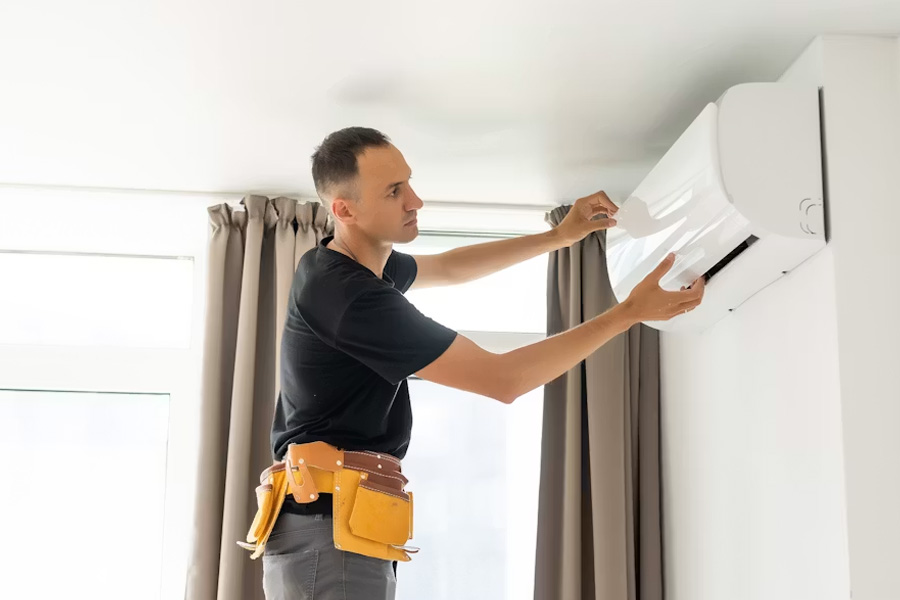
Home Cooling Unit Replacement and Setup Made Simple
Maintaining a comfortable indoor temperature during the sweltering summer months is essential for the well-being of your family. As cooling systems age, their internal components wear down, causing them to lose efficiency and struggle to keep up with rising outdoor temperatures. Recognizing when your old unit is nearing the end of its operational lifespan allows you to plan ahead and make smart home upgrade choices.
Upgrading your home cooling system does not have to be a stressful or chaotic experience. Securing a professional AC installation ensures that your new equipment is accurately sized and perfectly calibrated to meet the unique architectural layout of your property. By replacing an inefficient system before it suffers a complete mechanical breakdown, you can seamlessly transition to a superior level of indoor comfort.
The Long-Term Financial Advantages of a Modern Upgrade
Many property owners hesitate to replace an aging system due to the upfront capital investment. However, operating an outdated air conditioner can quickly become a significant financial drain on your monthly household budget. Older units typically consume far more electricity while delivering less cooling power, resulting in inflated utility bills that climb higher with every passing summer season.
Modern air conditioners utilize advanced variable-speed compressors that dynamically adjust their output to match your immediate cooling needs. This intelligent technology eliminates the harsh energy spikes associated with older binary systems that constantly cycle on and off at full capacity. Over time, the substantial reduction in your monthly energy bills will help recover the initial cost of your equipment.
Investing in a high-efficiency AC installation also adds tangible equity to your residential property. Modern home buyers prioritize updated HVAC infrastructure because it guarantees immediate energy savings and reliable climate control. By choosing a system with an excellent seasonal energy efficiency rating, you position your home as a sustainable, forward-thinking asset in the current real estate market.
Critical Considerations for Equipment Setup
Selecting the correct cooling unit requires a comprehensive evaluation of your entire house rather than a simple guess based on total square footage. Experienced technicians calculate the specific heat load of your home by analyzing window orientation, local humidity levels, and existing insulation depth. This calculation prevents the common mistakes of under-sizing or over-sizing your new mechanical system.
Lower Monthly Bills:
High SEER2 ratings ensure you get maximum cooling output for every single watt of electricity consumed.
Whisper Quiet Operation:
Advanced fan blade designs and acoustic insulation blankets drastically reduce operational noise outside your home.
Advanced Moisture Control:
Extended cooling cycles pull excess humidity from the air, preventing indoor dampness and mold growth.
Eco Friendly Technology:
Modern cooling units utilize new refrigerants that minimize environmental impact while optimizing internal thermal transfer.
Manufacturer Warranty Coverage:
New equipment installations are backed by extensive parts warranties that protect you from unexpected repair bills.
The Role of Smart Thermostat Integration
A successful home cooling setup includes updating your control systems to match the capabilities of your new air conditioner. Smart thermostats allow you to program automated temperature shifts that align perfectly with your daily routine. This technology ensures that you never waste financial resources cooling an empty house while guaranteeing a perfectly chilled environment when you return.
Maximizing Performance Through Proper Sealing
An advanced air conditioner can only perform its best if the structural envelope of your home is properly maintained. If your attic lacks sufficient insulation or your windows have tiny air leaks, your new unit will run longer than necessary. Sealing these gaps allows your system to operate at its lowest, most efficient settings.
Check Attic Insulation:
Ensure your thermal barriers are level with or above floor joists to trap cool air inside.
Apply Quality Caulk:
Seal any visible gaps around external window frames to prevent hot drafts from entering your rooms.
Inspect Ductwork Seals:
Have professionals check duct connections to ensure conditioned air reaches your living spaces without escaping.
Utilize Window Treatments:
Close blinds on south facing windows during peak afternoon hours to block direct radiant solar heat.
Schedule Annual Inspections:
Keep your new system running flawlessly by organizing professional maintenance visits before the summer heat arrives.
Improving Your Indoor Air Quality
Beyond regulating temperature, a modern cooling setup plays a vital role in cleaning the air you breathe. New units feature enhanced filtration assemblies that actively capture airborne dust, pet dander, and seasonal pollen. For family members who suffer from respiratory sensitivities or allergies, this consistent filtration delivers immediate relief and creates a healthier indoor living environment.
Conclusion
Upgrading to a modern cooling system simplifies your home maintenance and dramatically lowers your seasonal utility costs. Professional AC installation guarantees accurate unit sizing, maximizing energy efficiency while eliminating the constant breakdowns associated with aging equipment. Integrating smart thermostats and maintaining your home insulation ensures that your new asset operates at peak performance for years to come. Ultimately, this proactive home improvement project enhances indoor air quality, increases your total property value, and provides your family with a reliable, cost-effective sanctuary throughout the hottest summer months.