

Why Regular HVAC Maintenance Saves Homeowners Time and Money
Your heating and cooling system works hard every single day — but most homeowners don’t think about it until something goes wrong. A breakdown in the middle of summer or a cold snap in winter is never convenient, and repairs almost always cost more than the upkeep that could have prevented them in the first place. Staying on top of HVAC maintenance in Glassboro, NJ is one of the smartest investments you can make as a homeowner, not just for comfort, but for your wallet and your home’s long-term value.
The real cost of skipping maintenance
It’s easy to put off scheduling a tune-up, especially when your system seems to be running fine. The problem is that HVAC issues rarely announce themselves early. Small inefficiencies — a dirty filter, a worn belt, a refrigerant imbalance — quietly compound over time until they cause a major failure.
According to the U.S. Department of Energy, a neglected system can lose up to 5{89c33cc0d71268b567562edabc05a9c35132b570296afc9e17419018260af559} of its efficiency for every year it goes without proper servicing. That shows up directly on your monthly energy bill. Routine HVAC maintenance in Glassboro, NJ, helps your system run at peak efficiency, which means lower utility costs month after month.
What a standard HVAC tune-up actually includes
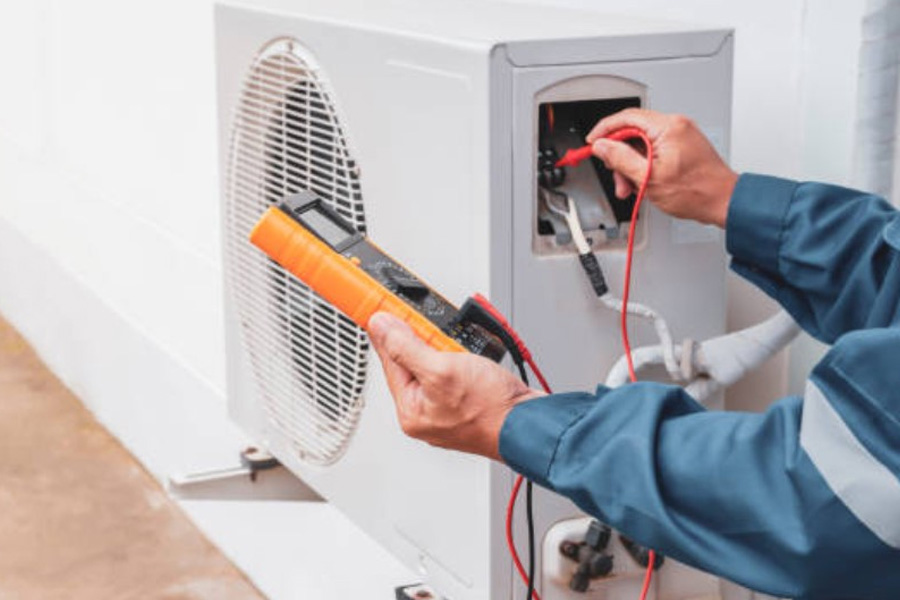
Many homeowners assume a maintenance visit is just a quick filter swap — but a thorough inspection covers much more than that. A qualified technician will typically:
- Inspect and clean the evaporator and condenser coils
- Check refrigerant levels and test for leaks
- Lubricate moving parts to reduce friction and wear
- Inspect electrical connections and test voltage levels
- Calibrate the thermostat for accurate temperature control
- Clear the condensate drain line to prevent moisture buildup
Each of these steps serves a purpose. Together, they add up to a system that runs cleaner, lasts longer, and is far less likely to leave you without heat or cooling when you need it most.
How often should you schedule service?
The general recommendation is twice a year — once in the spring before the cooling season kicks in, and once in the fall before you start relying on heat. This timing gives a technician the chance to catch any issues before your system is under peak demand. For homes with older equipment or anyone with allergies or respiratory conditions, more frequent filter changes between visits are worth considering.
Don’t wait for warning signs
Unusual sounds, uneven temperatures, and higher-than-normal energy bills are all signals that something is off. But by the time you notice these signs, the underlying issue has often been building for weeks or months. Proactive scheduling puts you ahead of problems rather than reacting to them.
The connection between maintenance and indoor air quality
Your HVAC system doesn’t just heat and cool your home — it also filters the air your family breathes. When components like the air handler, ductwork, or coils are dirty, they circulate dust, allergens, and even mold spores throughout your living space. A clean, well-maintained system moves air more efficiently and traps airborne particles before they reach your rooms.
If anyone in your household deals with allergies, asthma, or other respiratory sensitivities, keeping up with maintenance is especially important. Changing high-efficiency filters regularly and having ducts inspected every few years can make a noticeable difference in daily comfort.
Extending the life of your system
The average lifespan of a residential HVAC system is 15 to 20 years with proper care. Without it, you could be looking at a replacement in 10 years or less. That’s a significant cost difference — new HVAC installations can run anywhere from $5,000 to over $12,000, depending on the size of your home and the equipment selected.
Regular maintenance helps you get every possible year out of your current system. It also gives you a clearer picture of when replacement makes sense, so you can plan ahead rather than face an unexpected expense.
Finding a technician you can trust
Not all service providers are created equal. Look for licensed, insured technicians with manufacturer certifications and a track record in your area. A good contractor will provide a detailed inspection report after each visit, clearly explain any issues, and never pressure you into unnecessary repairs or upgrades.
Conclusion
Regular HVAC maintenance is one of those home care tasks that pays for itself several times over. It reduces energy costs, prevents expensive breakdowns, improves indoor air quality, and extends the life of your equipment. Whether you’re a new homeowner building your first maintenance routine or a longtime resident looking to optimize your current setup, making this a seasonal priority is simply good practice — and a decision you won’t regret come the hottest day in August or the coldest night in January.