

6 Electrical Distribution Board Red Flags Homeowners Often Ignore
Key Takeaways
- Many electrical distribution board issues develop gradually and show early warning signs long before a complete power failure occurs.
- Repeated tripping, heat marks, and unusual sounds are often distribution board problems—not appliance faults.
- Ignoring minor electrical irregularities can lead to sudden outages, damaged appliances, or safety risks.
- A professional electrical service can usually identify these red flags early and prevent costly disruptions.
Power failures in homes are rarely sudden or unpredictable. The electrical distribution board, in most cases, has been signalling problems for months or even years, but those signs are often overlooked or misinterpreted. Homeowners commonly assume that power trips are caused by faulty appliances, temporary overloads, or external supply issues, when the root cause is often within the distribution board itself. Knowing these red flags is critical, as the electrical distribution board controls how electricity is distributed, protected, and isolated throughout the property. Once its condition deteriorates, failure is not a question of if, but when.
1. Frequent Circuit Tripping That Becomes “Normal”
One of the most ignored warning signs is frequent circuit breaker tripping. Many homeowners reset breakers repeatedly and carry on, treating it as a nuisance rather than a fault. While occasional tripping can occur, repeated trips usually indicate underlying issues such as overloaded circuits, ageing breakers, or internal wiring stress within the electrical distribution board. Over time, breakers that trip too often may lose their ability to protect effectively, increasing the risk of sudden outages or overheating. A competent electrical service will assess whether the issue lies with circuit design, breaker condition, or board capacity rather than focusing on individual appliances.
2. Heat Marks, Discolouration, or a Burning Smell
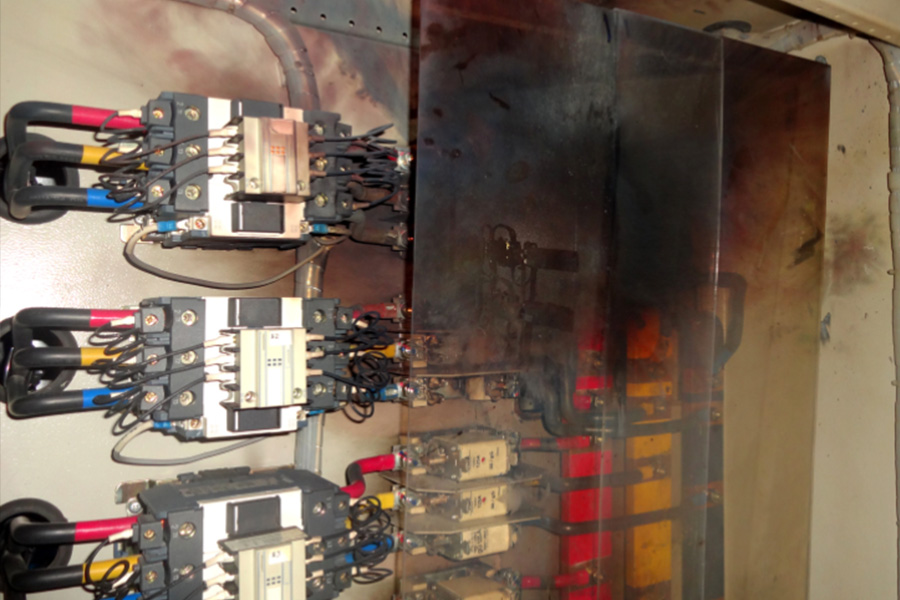
Visible heat damage is a serious red flag that is often ignored until failure occurs. Brown stains, melted insulation, or scorched plastic around breakers indicate excessive heat buildup inside the electrical distribution board. Homeowners, in some cases, notice a faint burning smell but dismiss it as dust or nearby appliances. Heat damage usually results from loose connections, corroded terminals, or undersized components struggling to handle current loads. These conditions worsen gradually and can lead to abrupt power loss when a connection finally fails or a breaker burns out.
3. Buzzing, Humming, or Crackling Sounds
Electrical distribution boards should operate silently. Any buzzing, humming, or crackling noises are abnormal and indicate internal electrical stress. These sounds are often caused by loose busbar connections, failing breakers, or arcing within the board. Since the power is still “working,” homeowners may ignore these sounds for months. However, arcing can damage components rapidly and may result in sudden tripping of multiple circuits or complete power failure. This situation is a clear case where early inspection by an electrical service can prevent a more serious incident.
4. Old or Undersized Distribution Boards
Many homes still operate with electrical distribution boards designed decades ago, when power demand was significantly lower. Modern households use air-conditioning systems, induction cookers, water heaters, and multiple high-load devices simultaneously. An undersized board may technically function, but it operates under constant strain. Signs include warm breakers, limited spare circuits, or frequent tripping during peak usage. Homeowners often delay upgrades because power still flows, but failure becomes inevitable as demand continues to increase.
5. Loose or Poorly Labelled Circuits
Loose breakers, untidy internal wiring, or missing circuit labels are not just cosmetic issues. They often indicate poor craftsmanship or past modifications without proper documentation. Poor labelling leads to incorrect isolation during faults, increasing downtime and safety risks. Loose components vibrate and heat up over time, accelerating wear within the electrical distribution board. A professional electrical service will treat poor internal organisation as a functional risk, not merely an aesthetic one.
6. Relying on Appliance Replacement Instead of Board Inspection
A common mistake is repeatedly replacing appliances after they trip circuits or stop working. The appliance, in many cases, is reacting to unstable power delivery caused by a deteriorating electrical distribution board. Voltage fluctuations, weak breaker contacts, or shared overloaded circuits can damage appliances over time. These failures, without addressing the board itself, continue until a full outage forces emergency intervention.
Conclusion
Electrical distribution board failures rarely occur without warning. Frequent tripping, heat damage, unusual sounds, and outdated capacity are all signals that homeowners often ignore until power is suddenly lost. Treating these signs seriously and engaging a qualified electrical service early allows problems to be identified and corrected before disruption or safety risks arise. Early attention in electrical systems is not an expense; it is prevention.
Contact 81 Electrical for a professional electrical distribution board inspection today.