

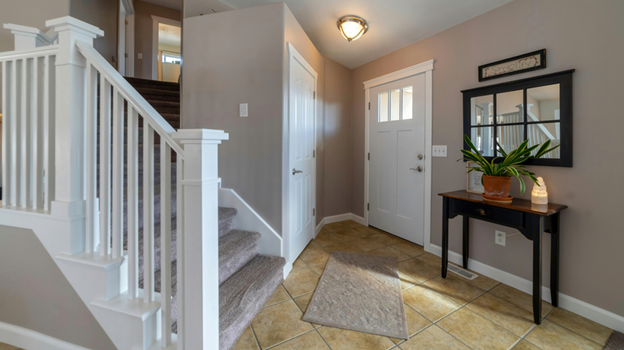
7 Flooring Materials That Help Homeowners Match Comfort With Practicality
Choosing new flooring is rarely just about appearance. Most homeowners want something that looks good, feels comfortable underfoot, and stands up to everyday life. That means balancing softness with durability, style with maintenance, and budget with long-term value. The right floor should fit the way a home is actually used, whether that includes kids, pets, guests, heavy foot traffic, or simply the need for an easier cleaning routine.
The good news is that there are several flooring materials that offer a smart mix of comfort and practicality. If you are comparing home flooring solutions for different rooms and lifestyles, these seven options are worth a close look.
1. Luxury Vinyl Plank
Luxury vinyl plank has become one of the most popular choices for modern homes, and for good reason. It does an excellent job of combining visual appeal with day-to-day durability. Many styles mimic the look of hardwood, but they are often easier to maintain and better suited for active households.
From a comfort standpoint, luxury vinyl plank tends to feel softer and warmer underfoot than tile. It can also reduce some noise, which makes it a practical option for busy living spaces. On the practical side, it usually handles spills, scratches, and general wear very well. That makes it especially useful in kitchens, hallways, family rooms, and other high-traffic areas.
For homeowners who want a wood-look floor without as much upkeep, this material often checks many boxes.
2. Carpet
Carpet remains one of the best flooring choices for comfort. It creates a soft, warm surface that feels inviting, especially in bedrooms, nurseries, and living rooms where people want a cozier atmosphere. It also helps absorb sound, which can make a home feel quieter and more relaxed.
Practicality depends a lot on the type of carpet selected. Some styles are better for durability, while others are designed for softness and luxury. Modern carpet options also include stain-resistant features that make them easier to manage in homes with children or pets.
While carpet may not be ideal for moisture-prone spaces, it still has an important place in the home when comfort is the top priority. It works especially well in rooms where people walk barefoot, sit on the floor, or want a softer landing.
3. Laminate Flooring
Laminate flooring offers a nice middle ground for homeowners who want affordability, style, and reasonable durability. It is often designed to resemble hardwood or stone, giving rooms a polished look without requiring the same investment as some natural materials.
In terms of comfort, laminate is generally firmer than carpet or some vinyl products, but it can feel more pleasant when installed with a quality underlayment. That added layer can improve both sound absorption and underfoot feel.
Its practical appeal comes from its resistance to scratches and its ability to handle everyday activity in living rooms, dining spaces, and entryways. For homeowners looking for an attractive option that fits a tighter budget and still performs well, laminate continues to be a strong contender.
4. Tile Flooring
Tile is one of the most durable flooring materials available. It is a practical favorite in bathrooms, kitchens, laundry rooms, and other areas where moisture is a concern. It handles spills well, cleans easily, and can hold up for years with proper care.
Comfort may not be the first thing people associate with tile, but that depends on where and how it is used. In warmer climates, tile can feel cool and refreshing underfoot. In certain homes, that is a major benefit. Area rugs can also be added to soften the look and feel in key spots.
Tile is especially helpful for homeowners who place a high value on easy maintenance and long-term resilience. It may not provide the softness of carpet, but its practical strengths are hard to ignore.
5. Engineered Hardwood
For homeowners who love the natural look of wood but want something a bit more versatile, engineered hardwood can be a smart option. It offers the warmth and character of real wood while often being more stable than traditional solid hardwood in changing indoor conditions.
This material brings comfort through its natural appearance and warmer feel compared to harder, colder surfaces like tile. It can make a room feel elevated and welcoming at the same time. Practically speaking, it works well in many main living areas and can provide lasting value when maintained properly.
Engineered hardwood is often chosen by homeowners who want timeless design without giving up too much functionality in everyday spaces.
6. Sheet Vinyl
Sheet vinyl is sometimes overlooked, but it remains a practical choice for many households. It is often comfortable underfoot, relatively easy to clean, and well suited for areas where moisture resistance matters. Because it comes in large rolls, it can create a more seamless surface with fewer joints.
That makes it useful in kitchens, bathrooms, and utility areas where spills are common. It also tends to offer a bit more cushioning than harder surfaces, which can make standing for longer periods more comfortable.
For homeowners focused on function, affordability, and low maintenance, sheet vinyl can still be a very sensible flooring option.
7. Cork Flooring
Cork flooring is a unique option that deserves more attention. It is naturally softer underfoot than many hard surfaces, which makes it comfortable for walking and standing. It also has a bit of natural insulation, helping rooms feel warmer and quieter.
From a practical standpoint, cork can work well in spaces where comfort matters, such as home offices, bedrooms, or casual living areas. It offers a distinctive look and a gentler feel that many homeowners appreciate. While it may require more thoughtful care than some ultra-durable materials, it can be a strong choice for those who want something different without sacrificing everyday usability.
There is no single flooring material that works perfectly for every room or every household. The best choice depends on how each space is used, what level of maintenance feels realistic, and what kind of comfort matters most to the people living there. By comparing the strengths of each material, homeowners can make choices that feel just as good in daily life as they look on installation day.